
The End of "Data Cleaning" and the Rise of the SaaSpocalypse
5 Hardcore Truths from HumanX 2026

1. Introduction: The Death of the AI Hype Cycle
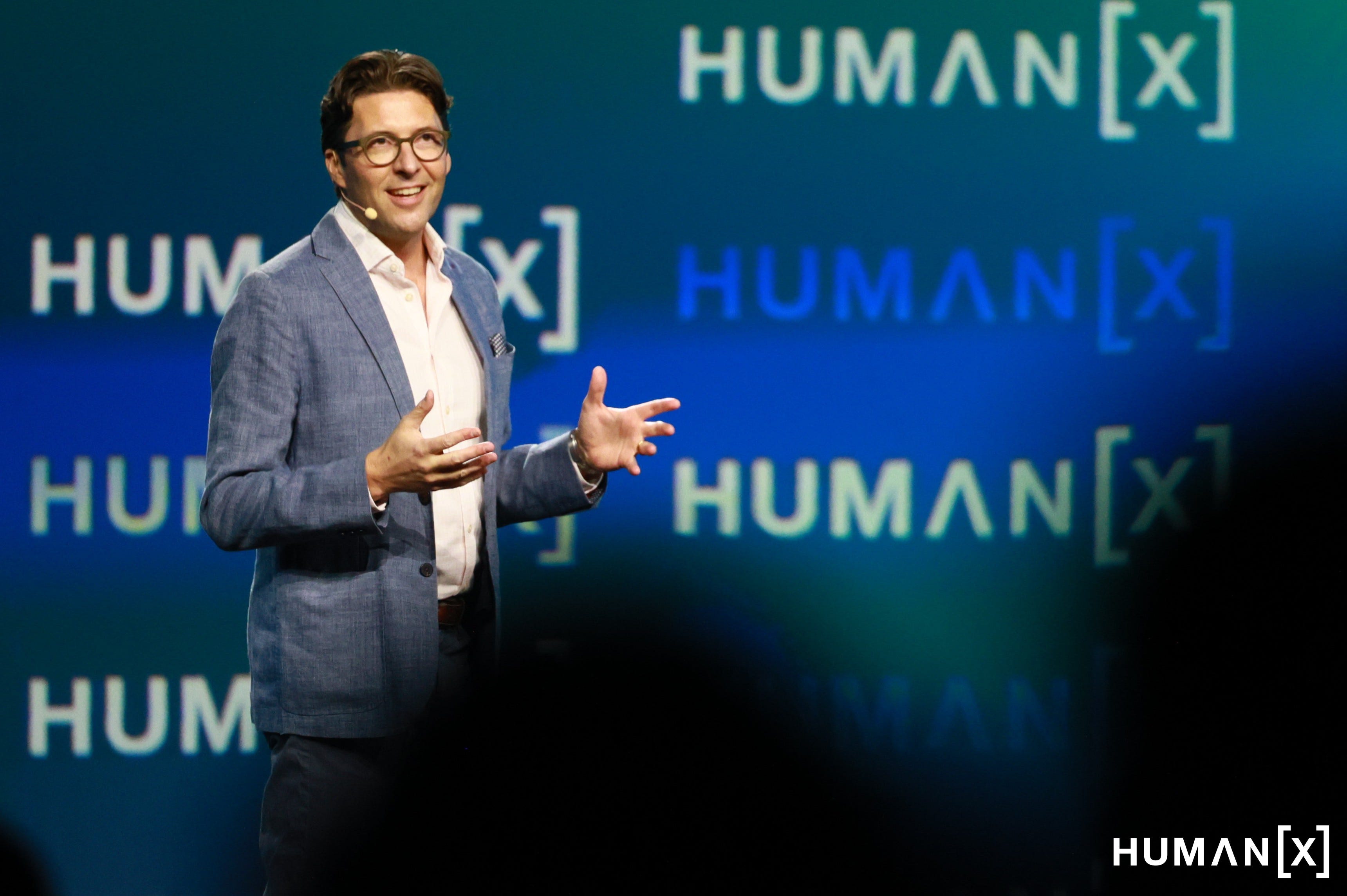
The era of the "flaming eagle" is officially over. HumanX 2026 opened not with a soaring vision of a digital utopia, but with a necessary cold shower. As CEO Stefan Weitz noted in his opening remarks, the industry has reached a state of "hype exhaustion."
We are done with Twitter threads claiming a toddler is running a Fortune 500 company on a Mac Mini using a markdown file and OpenClaw.
The vibes have shifted from hallucination to hardware. 2026 is the year the "unsexy maps" of implementation replaced the aspirational deck. With 6,500 builders and buyers descending on San Francisco, the mandate was clear: a demo is not a business. The conversation has moved from "What is possible?" to "What is operational in 90 days?" These five takeaways represent the most provocative—and practical—truths for the strategist looking to survive the transition from AI experimentation to industrial-scale reality.
--------------------------------------------------------------------------------
2. Takeaway #1: Stop Cleaning Your Data (The Inversion of the AI Hierarchy)
For a decade, the mantra was "data readiness"—a Sisyphean struggle to clean, label, and harmonize legacy data before an LLM could touch it. At HumanX, the hierarchy was inverted. Jay Chen, interim CEO of Contextual AI, argued that traditional data engineering has become an insurmountable bottleneck.
The new reality is not "data-ready AI," but "AI-ready data." As Emil Eifrem (Neo4j) reminded the audience, the old joke was that data science is 90% data prep and 90% complaining about data prep. In 2026, we stop complaining and start deploying models that can navigate the inherent messiness of the enterprise.
"You don't want to make your data good enough for your AI. You want to make your AI good enough for your data." — Jay Chen, Contextual AI

By utilizing intelligent retrieval pipelines and re-ranking loops, CIOs are being liberated from "data prep deadlock." The goal is no longer a pristine data lake, but a system robust enough to turn organizational "garbage" into high-fidelity intelligence.
--------------------------------------------------------------------------------
3. Takeaway #2: Hallucination is Just "Unmanaged Creativity"
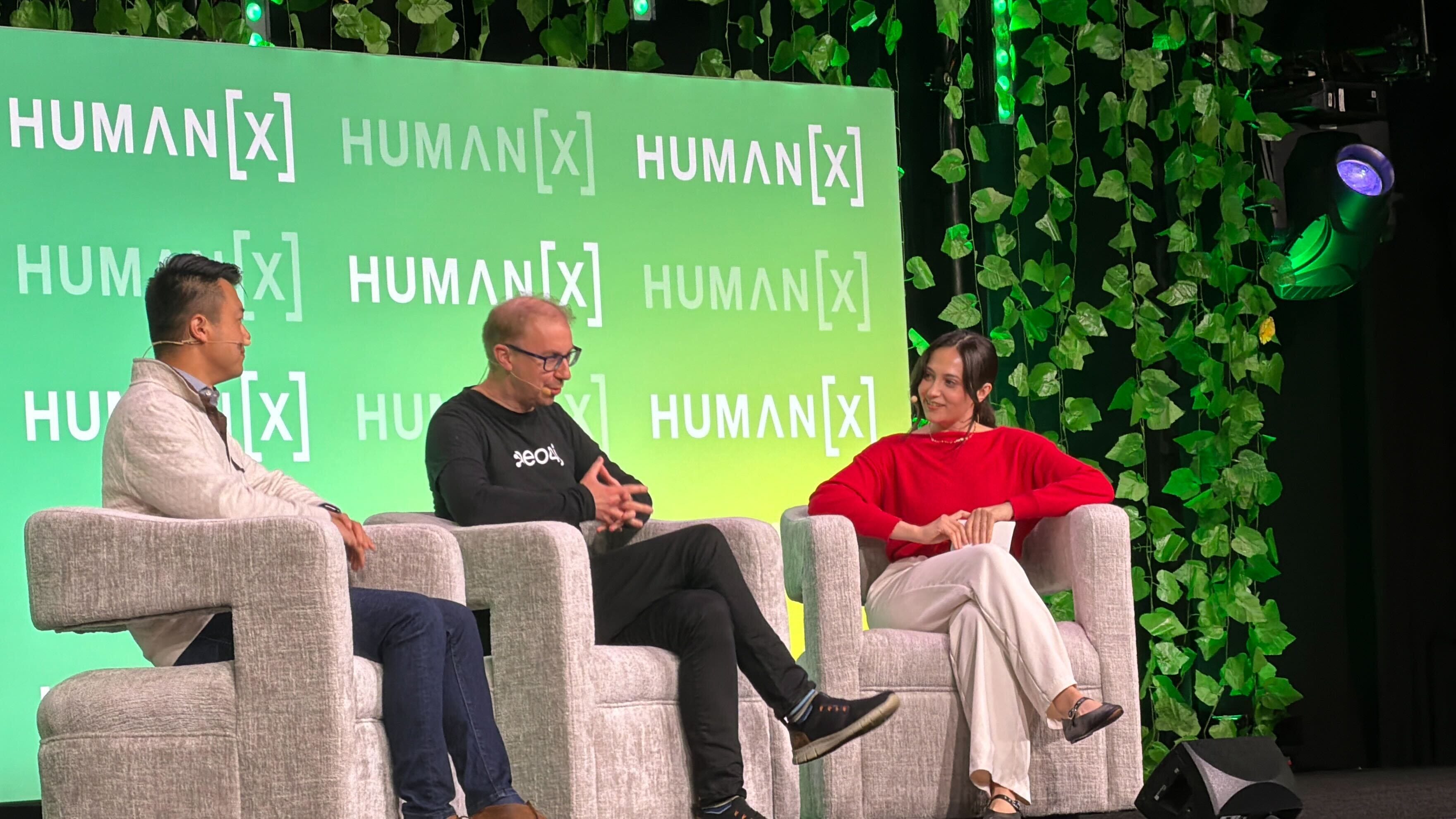
The industry is finally moving past the binary view of hallucinations as "bugs." Emil Eifrem (Neo4j) presented a more sophisticated spectrum: hallucination is simply creativity applied to the wrong context.
In a brainstorming session, hallucination is a feature; in a mortgage approval process, it is a liability. The strategic imperative for 2026 is identifying the "Goldilocks Zone"—use cases that are high-value enough to drive ROI but not existential if a failure occurs.
By deploying in these zones, companies build the "organizational muscle" for accuracy before moving into high-stakes, autonomous territory. Factual accuracy is now treated as the inverse of hallucination, managed through "Explainable Thinking Traces" that allow humans to audit the logic of the machine.
--------------------------------------------------------------------------------
4. Takeaway #3: The SaaSpocalypse and the Physical Layer
The software industry is facing a structural reckoning that investors like Ben Sun (Primary) are calling the "SaaSpocalypse." For twenty years, SaaS was the ultimate business model: build once, sell forever, with infinite margins and "invisible" hardware.
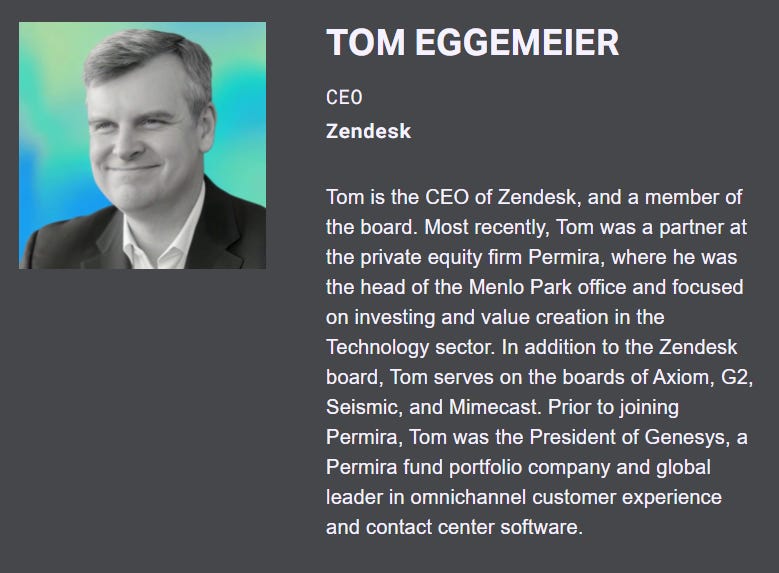
AI has shattered the myth of infinite margins. Tom Eggemeier (Zendesk) pointed out that AI has dragged the energy and hardware layers back into the foreground. Software CEOs now have to think like power plant operators. Because AI inference power demand is "spiky" rather than smooth, companies are being forced to build microgrids and install gas turbines adjacent to data centers just to ensure uptime.
"AI has dragged the hardware layer and the energy layer back into the foreground... you have to think differently. Product design matters in a different way because you can't just throw infinite compute at every user interaction." — Tom Eggemeier, Zendesk
Furthermore, we are witnessing the "Decay of Moats." In a world of commoditized model layers, feature parity is reached in weeks. Case in point: when legal-tech firm Harvey releases a feature, competitors like Lagora match it almost instantly. In this environment, the only durable moat is distribution and workflow integration—getting into the customer's "plumbing" before anyone else.
--------------------------------------------------------------------------------
5. Takeaway #4: Validation over Creation (The New Literacy)
Andrew Ng (DeepLearning.AI) issued a provocative challenge: coding is the new literacy for everyone, from marketing to finance. In the age of AI-assisted development, the bottleneck of work has shifted from Creation to Validation.
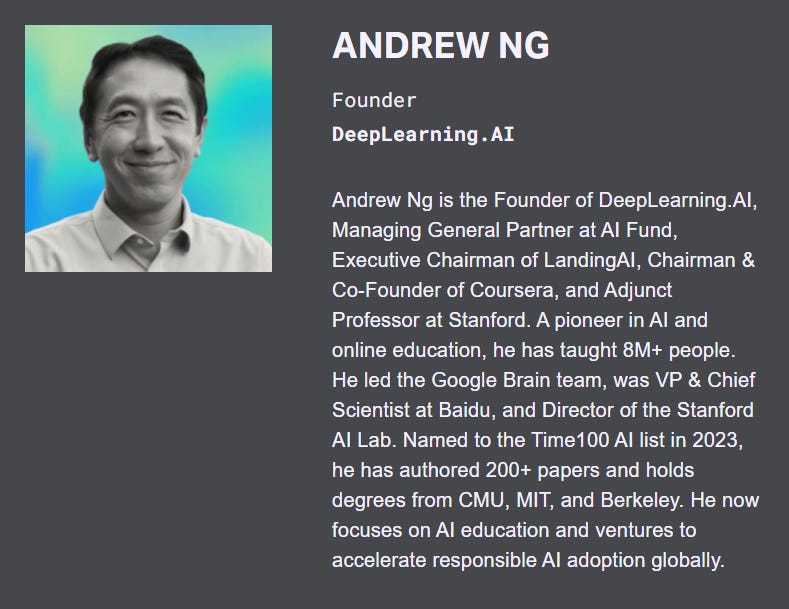
The impact on headcount is a McKinsey-level revelation: projects that once required 15 engineers now only need one or two. This 15:1 ratio doesn't necessarily mean mass layoffs, but it does mean a radical shift in speed. Teams are now expected to experiment and ship at a cadence that was previously impossible. For the non-technical professional, the ability to "vibe code" custom tools and harnesses is no longer an HR suggestion—it is a requirement for survival. Those who can validate AI output and connect it to business logic will own the next decade of productivity.
--------------------------------------------------------------------------------
6. Takeaway #5: Trust as a "Double-Sided" Product Requirement
Trust was redefined at HumanX from a vague sentiment to a concrete "Trust Architecture." Shivani Siroya (Tala) introduced the concept of Double-Sided Trust: for institutions to trust customers who have never been "bankable," they must first create a feedback loop where the customer trusts the system's promises.
This architecture requires two specific product features:
Graceful Failure: Agentic systems must have built-in human-in-the-loop validation points so they don't "fail loud" and delete 1,000 files or misallocate millions in credit.
Explainability: Systems must provide "Thinking Traces"—the logic behind a decision—to ensure human accountability.
"Trust is doing what it says on the tin... being clear about what you're going to do, and then doing your best to fulfill it." — Christina Cacioppo, Vanta
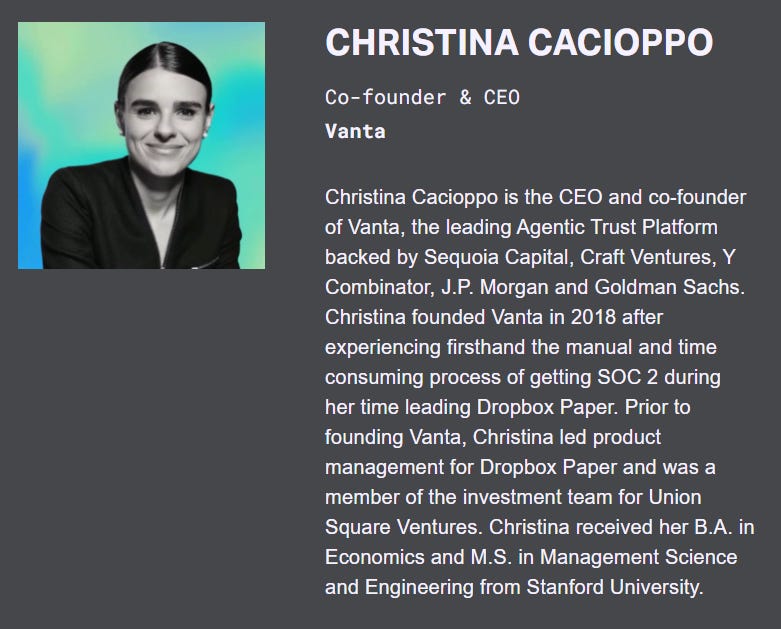
If an AI system cannot explain its attribution or offer a "graceful exit" to a human, it cannot be trusted with enterprise-grade responsibility.
--------------------------------------------------------------------------------
Conclusion: Beyond the Demo
The recurring theme of HumanX 2026 is that the "flaming eagles" of hype have landed in the mud of reality. We have reached the limits of what a flashy presentation can do for a business. The winners of the next cycle will not be the ones with the best models, but the ones with the best "unsexy maps"—the governance frameworks, the microgrid strategies, and the validation-heavy workflows.
As you evaluate your 2026 roadmap, ask yourself: If your current competitive advantage assumes infinite cheap compute and human-written code, are you building a future, or just a really expensive demo?